
Over consumption of alcohol can create dehydration, causing havoc on your body the next morning. When it comes to the effects of alcohol on hydration, it’s important to consider the role of electrolytes. Electrolytes are minerals that help maintain the balance of fluids in our bodies and play a crucial role in hydration. Let’s explore the role of electrolytes in hydration and how https://gettags.info/h-beatyesterday/ alcohol can disrupt this balance. You’ll hang on to only about half or a third of the extra water you drink.
Why does drinking alcohol cause dehydration?
Water can help replace lost fluids, maintain electrolyte balance, and aid kidney function. Electrolytes are minerals in the body that help regulate fluid balance. Alcohol can disrupt electrolyte balance, which can contribute to dehydration. Specifically, alcohol can lower levels of potassium and magnesium, two important electrolytes. Low levels of electrolytes can http://massagelib.ru/books/item/f00/s00/z0000001/st205.shtml lead to muscle cramps, weakness, and fatigue.
The Truth About Alcohol and Dehydration
- Mind you, you’ll be a bit better off than if you didn’t drink any extra water at all, but you’ll still be dehydrated.
- 6 In other words, subjects peed less relative to their fluid intake two hours after consuming these drinks compared to water.
- To make meeting your hydration needs easier, you can add flavor to your water by using refreshing water additives like lemon juice, berries, and fresh herbs.
- When you have food in your stomach, alcohol is absorbed more slowly into your system.
- This is why breathalyzers are often used to check if someone’s driving while intoxicated.
- If you alternate alcohol and water as you drink, you slow your intake of alcohol.
Research published in Circulation found that potassium mitigates the adverse effects of alcohol on cardiovascular function and reduces the risk of high blood pressure. Using electrolytes https://thespice.net/rest-in-anapa.html while drinking alcohol may be especially beneficial for individuals with high blood pressure and other cardiovascular issues. Not only does drinking alcohol while exercising increase the risk of injury, but it also can exacerbate dehydration related to physical activity.
- A high-potassium electrolyte powder containing at least 1,000 milligrams of potassium can help counteract fluid loss caused by alcohol and reduce the risk of having a hangover.
- Drinks that contained electrolytes—milk and oral rehydration solutions, for example—were more hydrating after two hours compared to water.
- It’s the reason why you can usually sleep through the night without having to urinate.
- Six mg/kg of caffeine equates to 409 mg of caffeine for a 150-pound person, which exceeds the safe upper limit of 400 mg per day.
- Sipping on one whisky all evening will likely mean you ingest less alcohol overall than three or four standard glasses of wine.
- Dehydration can reduce muscle endurance and performance, making it more challenging to sustain physical activity for an extended period.
Food intake:
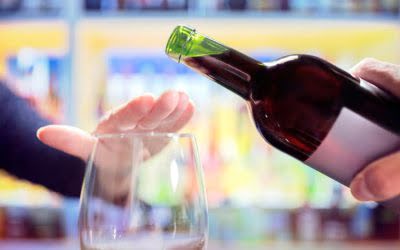
Let’s delve deeper into the science behind dehydration, how alcohol dehydrates us, and ways we can treat and avoid excessive dehydration from alcohol. If you don’t feel better from drinking plain water, try adding an electrolyte mix to water or drinking a low-sugar sports drink that contains electrolytes. If you don’t want to deal with dehydration from alcohol, the best (and most obvious) preventative measure is not to drink alcohol. Dehydration can also cause fatigue and drowsiness, which can increase the risk of accidents, particularly when driving or operating heavy machinery. This is because dehydration can cause a decrease in blood volume and low blood pressure, which can lead to reduced blood flow to the brain, causing fatigue and drowsiness.
Alcohol acts as a diuretic, which means it increases urine production and can lead to fluid loss. This can result in a decrease in electrolyte levels, potentially leading to dehydration. Additionally, alcohol inhibits the release of an anti-diuretic hormone called vasopressin. This hormone helps the body retain water by reducing urine production. When alcohol suppresses vasopressin, the body loses more water through increased urine output. Alcoholic beverages such as beer, wine, and liquor increase urine output and could cause dehydration if consumed in large amounts.
Preventing Dehydration from Alcohol

Electrolytes can help direct water to where it’s most needed, and DripDrop has three times the electrolytes of a sports drink. Multi-flavor pouches are available for mixing it up, and subscriptions allow users to save 25%. When muscles and organs are deprived of water, they can shrink—including the brain. If the brain shrinks away from the skull, it can cause a dehydration headache, but when alcohol enters the fray, another factor is introduced that may induce headaches in some people.
Add Comment